February 24, 2025

How significant is the risk of lithium fires on superyachts? Facts and Statistics

As the use of lithium-ion batteries grows in the yachting industry, so does concern about the fire risks associated with these powerful energy sources. While they offer unmatched efficiency, energy density, and reliability, they also pose unique fire hazards.
The Risk of Lithium Fires on Superyachts

The growing presence of lithium-ion batteries

The question many yacht owners and operators ask is: How significant is the risk of lithium-ion battery fires on superyachts? In this article, we analyze key facts, statistics, and industry insights to provide a clear understanding of the dangers and preventive measures.

With the push toward sustainable energy solutions, superyachts are incorporating more lithium-ion batteries than ever before. These batteries power essential onboard equipment, propulsion systems, water toys, and auxiliary energy storage. However, as their use expands, so does the need for proper safety protocols.

  • According to maritime safety reports, more than 70% or New Superyachts Vehicles built in the last five years have incorporated lithium-ion battery systems for propulsion or auxiliary power.
  • The global marine battery market, driven by lithium-ion technology, is expected to grow at a CAGR of 18.2% between 2022 and 2030, increasing the number of vessels that use these batteries.
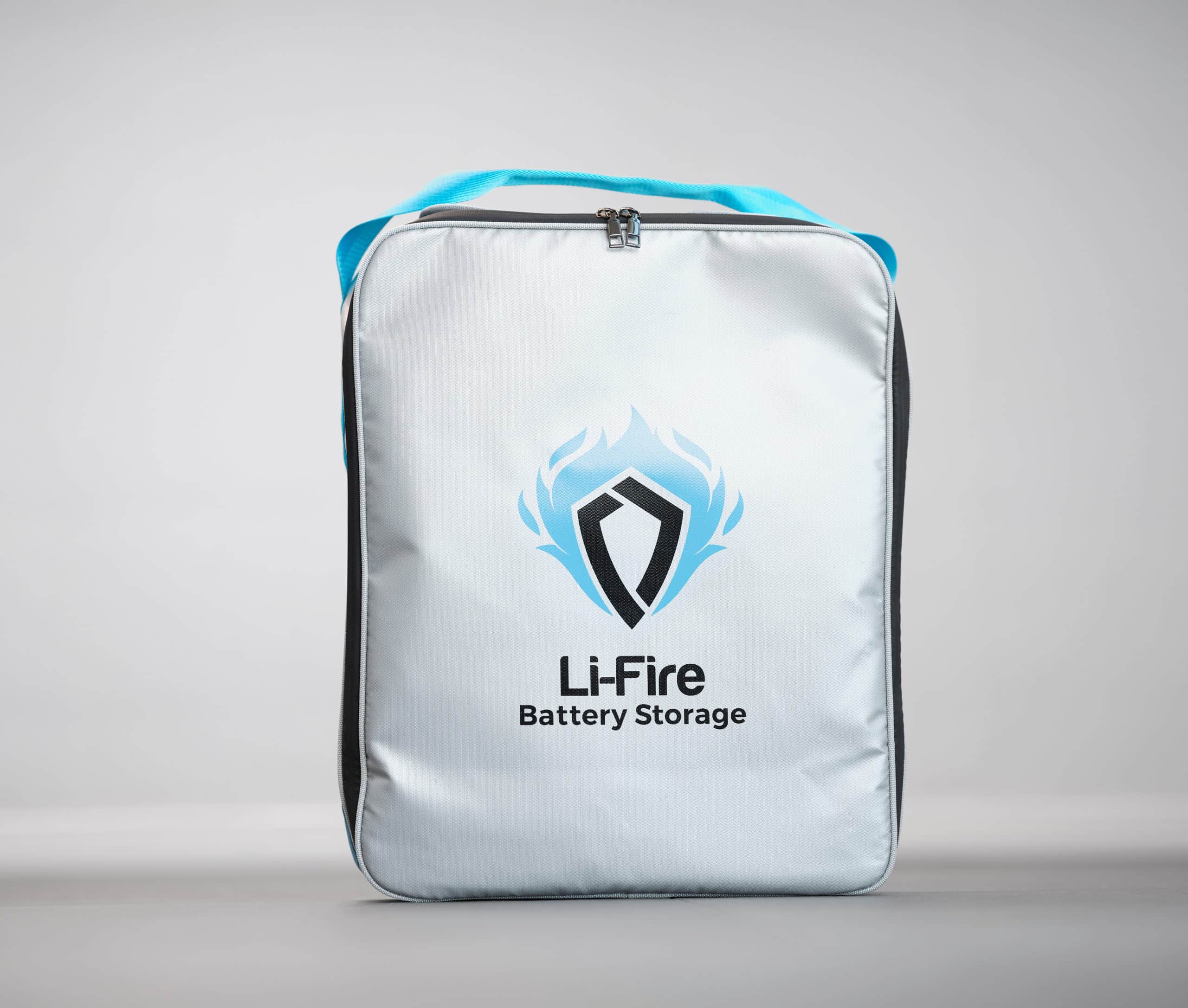
View storage solutions

The risk of thermal runaway

One of the main risks associated with lithium-ion batteries is thermal runaway, a self-sustaining chemical reaction that generates excessive heat and can lead to fires or explosions. This reaction can be triggered by overcharging, manufacturing defects, physical damage, or improper storage.

Key Statistics on Lithium-Ion Battery Fires

  • A study by DNV found that one in every 10 million lithium-ion batteries experiences a failure that leads to thermal runaway. While this seems unlikely, the number of batteries used on superyachts significantly increases the risk.
  • The U.S. Coast Guard has reported a 300% increase in lithium-ion battery-related maritime incidents over the past decade.
  • A 2023 report by the UK鈥檚 Marine Accident Investigation Branch (MAIB) highlighted that 40% or yacht fires in recent years were caused by lithium-ion battery failures.
Li-Fire Lithium-Ion Safety Bag E-Foil

Case Studies of Lithium-Ion Battery Fires on Yachts

Several high-profile incidents have demonstrated the dangers of lithium-ion battery failures on yachts:

  • MY Kanga (2018): This 40-meter superyacht caught fire off the coast of Croatia, with investigations indicating that lithium battery issues were a contributing factor. The vessel was declared a total loss.
  • Florida Marina Fire (2022): A fire that destroyed several luxury yachts in a marina was traced back to a lithium-ion battery in an onboard electric scooter.
  • Private Superyacht Incident (2023): An unnamed 50-meter yacht sustained significant damage due to a fire caused by a malfunctioning lithium-ion battery used for onboard equipment.
  • All the lithium fire incidents in 2024 can be looked up here.

Factors that increase the risk

  1. High energy density: Lithium-ion batteries store large amounts of energy in a compact space, increasing the risk of catastrophic failure.
  2. Confined Spaces: Superyachts have limited ventilation, making it difficult to dissipate heat and toxic gases from a failing battery.
  3. Improper charging practices: Using non-certified chargers or overcharging batteries increases the risk of overheating.
  4. Exposure to water: Although lithium-ion batteries are designed to be water-resistant, exposure to saltwater can cause short circuits and dangerous chemical reactions.

How to Mitigate the Risk

Given the statistics and documented incidents, reducing the risk of lithium-ion battery fires should be a top priority for yacht owners and operators. Some key safety measures include:

  • Fire-resistant storage solutions: using fireproof and explosion-resistant storage boxes for lithium batteries.
  • Advanced Fire Suppression Systems: installing specialized suppression systems capable of extinguishing lithium battery fires, such as aerosol-based or water mist technologies.
  • Regular battery inspections: conducting routine inspections for signs of wear, damage, or overheating.
  • Crew Training: educating yacht crew on the risks, proper handling, and emergency procedures for incidents involving lithium batteries.

Final Thoughts

While lithium-ion batteries offer significant benefits for modern superyachts, the risk of fires cannot be ignored. The rise in lithium-ion battery incidents underscores the need for strict safety measures, proper battery management, and investment in certified storage and suppression systems.

By understanding the risks and implementing best practices, superyacht owners can enjoy the benefits of lithium-ion technology while ensuring the safety of their vessel, crew, and guests.

For expert advice on lithium fire safety and advanced fireproof storage solutions, contact Liiontek today.