DECEMBER 8, 2024

Lithium storage and loading on board superyachts

Storage and charging solutions for lithium batteries enhance compliance with safety-related procedures. They specifically address the fire and risk management issues associated with lithium-ion technology—especially for water toys and devices that crew members and guests bring on board.
Lithium Storage and Charging on Superyachts

Why SOP Compliance Is Critical for Lithium

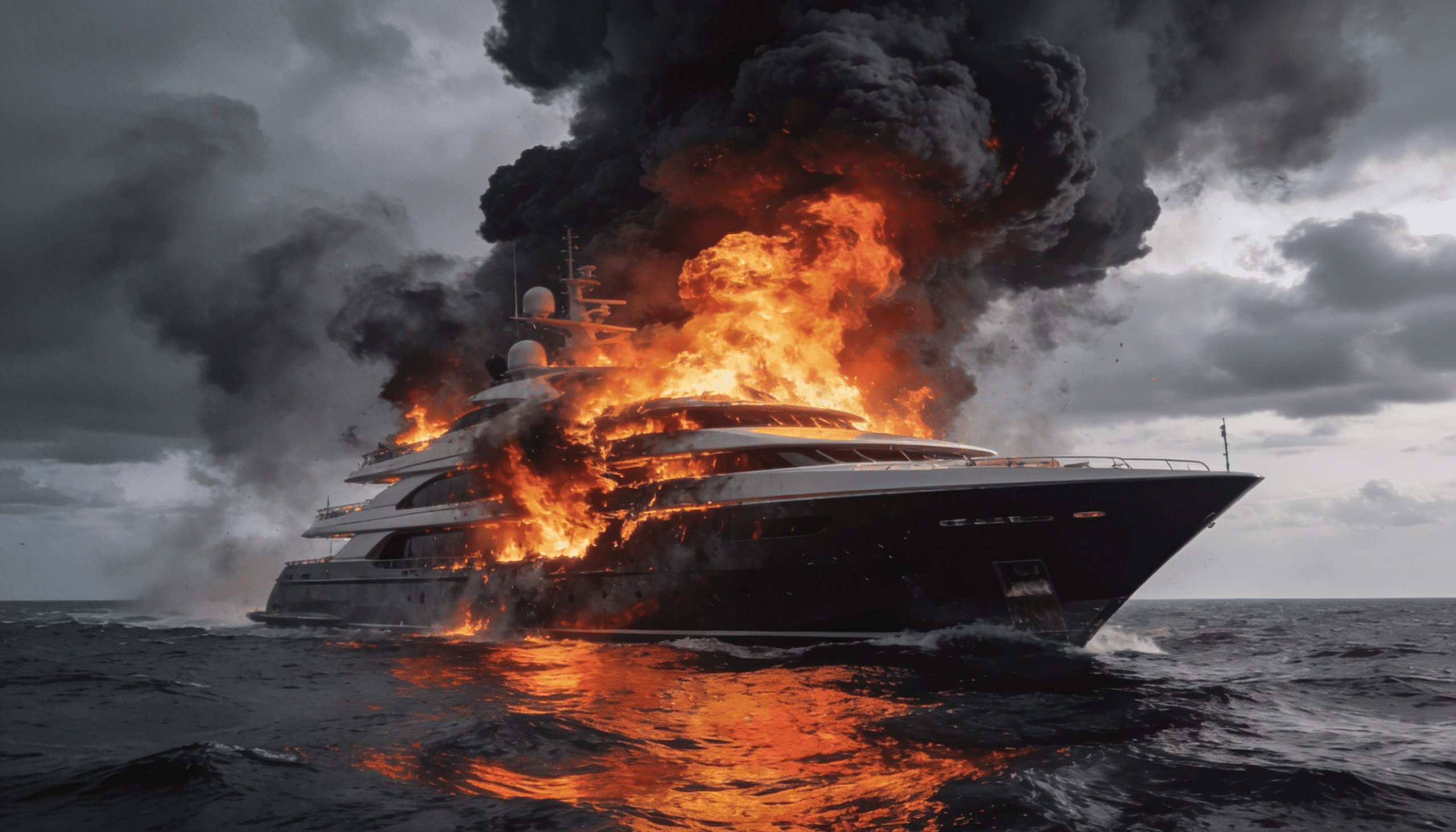
Due to the specific risks associated with lithium-ion batteries—such as thermal runaway or fire—it is essential that captains have precise procedures in place for storage, handling, and charging, and that these procedures are actually followed. Failure to meet these standards increases the risk of fire and endangers lives and property on board.

Well-implemented storage and loading solutions make compliance easier. They reduce both the operational and regulatory burdens on the captain.

If a captain fails to comply with the procedures set forth in the Safety Management System, this directly affects:

  • the safety of the crew, guests, and the ship
  • Audits and Certifications Under the ISM Code
  • Liability and Insurance Coverage
View storage solutions

The five consequences for noncompliance

  1. Safety Risks. Failure to follow procedures increases the risk of incidents, including fires caused by improperly stored lithium-ion batteries. Preventable incidents escalate due to a lack of a prepared response.
  2. Failure to comply with regulations. Superyachts are generally subject to international maritime regulations such as the ISM Code. If procedures are not followed, the vessel may fail audits or inspections conducted by flag states or classification societies.
  3. Legal and financial implications. In the event of an incident resulting from noncompliance, the captain and owner may face fines, denied insurance claims, or lawsuits.
  4. Reputational damage. Failures in safety affect the reputation of the vessel and its management. For charter yachts, this can directly result in a loss of revenue.
  5. Operational disruption. Failure to follow procedures can lead to equipment failure, environmental damage, or emergency evacuations—resulting in unplanned downtime and costly repairs.
Lithium Storage and Charging on Superyachts

Fire Prevention and Containment

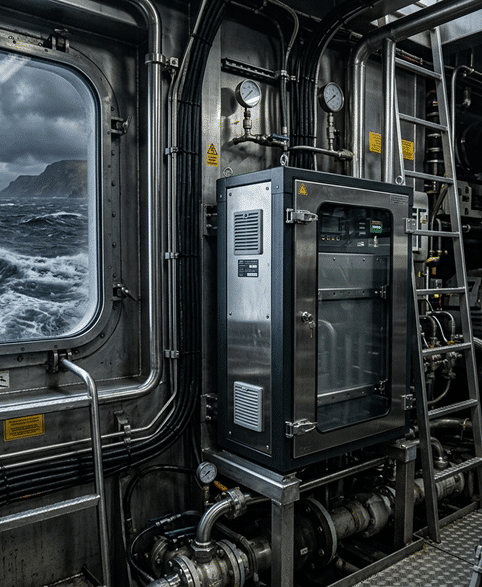
Specialized storage containers reduce the risk of thermal runaway and minimize the risk of fire, in accordance with risk management procedures. These solutions comply with industry standards such as MCA’s MGN 681 and Lloyd’s JHC protocols.

Simpler emergency procedures

Proper storage simplifies emergency response by keeping fire risks contained within a controlled environment. Integrated fire suppression systems limit the spread of a fire, making it easier to carry out response procedures effectively.

Improved operational efficiency

An A60-rated compartment is no longer necessary: the storage box itself provides a fire-safe environment. This frees up valuable space on board, which is a major consideration on a superyacht.

Crew Training and Compliance

Clear, standardized procedures for loading and storage make it easier to train crew members and ensure compliance with the Safety Management System on board.

A Stronger Safety Culture

Visible safety measures, such as lithium storage boxes, help raise safety awareness among crew members and guests. In doing so, they support the very purpose for which the procedures were designed.