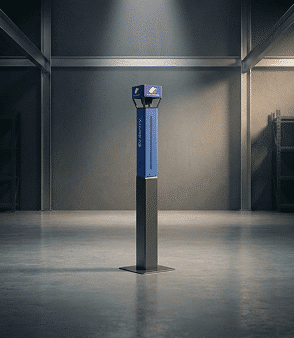
LITHIUM & AVIATION

Lithium fire safety in aviation requires monitoring where every second counts

In the aviation industry, lithium batteries pose specific risks. These include thermal runaway, smoke generation, reignition, and incidents involving baggage, cargo, or technical systems. Liiontek helps you identify these risks early on, manage them, and translate them into practical measures for safety, business continuity, and compliance.

Limited response time, high impact, and immediate hazards of lithium batteries in aviation

Lithium batteries in aviation require a different approach to fire safety than what many standard procedures provide. In an aircraft, hangar, or logistics chain involving baggage and cargo, an incident can escalate rapidly due to heat buildup, smoke, toxic fumes, and reignition.

Precisely because space, response time, and operational continuity are under pressure, risks must be identified early and managed in a targeted manner. This requires specialized knowledge, appropriate detection methods, and clear procedures for every environment where lithium is present.

Standard fire safety measures are not sufficient for lithium in aviation

Traditional fire safety measures are generally not designed to address the specific hazards posed by lithium batteries in aviation. Thermal runaway behaves differently from a conventional fire and requires rapid detection, targeted containment, and procedures tailored to operational risks.

Without that specialization, uncertainty arises regarding safety, operational readiness, inspections, and responsibilities. That is why the aviation industry requires solutions that are tailored to technical complexity, strict processes, and the consequences of failure or escalation.
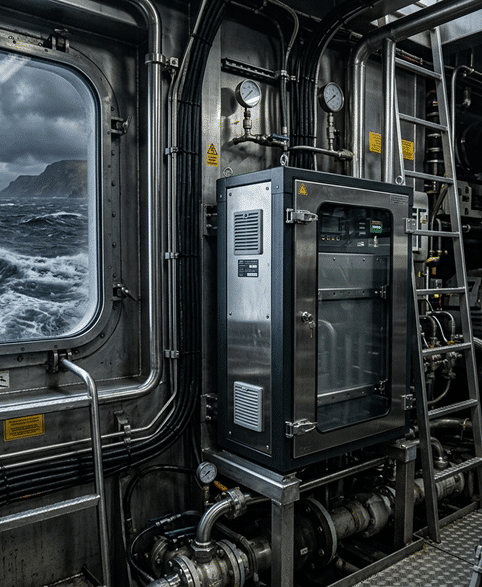
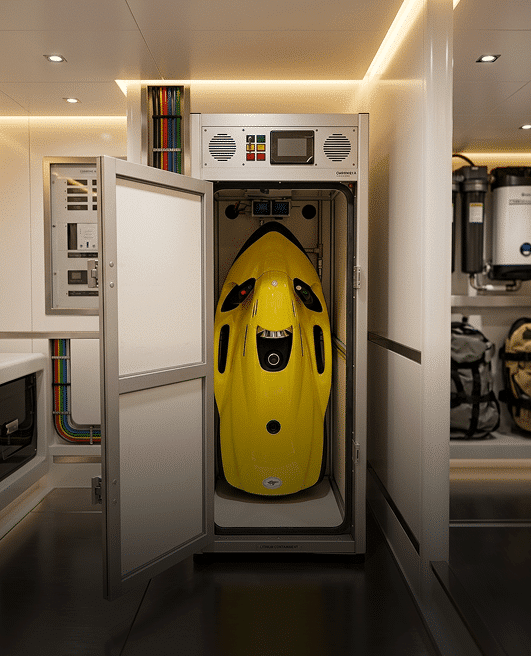
Standard fire safety measures are not sufficient for lithium in aviation

Solutions Tailored to Lithium Risks in Aviation

Liiontek translates the hazards of lithium batteries in aviation into practical solutions for detection, control, training, and compliance. This allows you to adopt an approach that is tailored to the realities of passenger baggage, cargo, technical areas, and maintenance environments.

Early detection

Thermal monitoring and smart detection help identify anomalies before smoke develops or the situation escalates.

Targeted Incident Management

Appropriate resources and procedures help to isolate an incident, limit its spread, and respond safely under time pressure.

Safe Storage and Handling

Solutions for the storage, internal transport, and handling of lithium batteries in operational and technical environments.

Training and Procedures

Teams learn how to recognize, assess, and manage lithium incidents with clear, practical instructions.

Greater Control Over Lithium Fire Safety in Aviation

Effective lithium fire safety in aviation isn’t just about responding when something goes wrong. It starts with understanding risks, mitigating their impact, and demonstrably implementing appropriate measures within your operations.
With the right combination of detection, control, training, and practical guidelines, you can gain greater control over safety, business continuity, and the protection of people, equipment, and processes.
  • Greater safety for people and operations

    By identifying risks more quickly and taking targeted action, you reduce the likelihood of injuries, disruptions, and unsafe situations in critical environments.
  • Lower risk of escalation

    Rapid detection and appropriate control measures help prevent an incident from spreading to surrounding systems, baggage, cargo, or technical installations.
  • Protection of Critical Systems and Equipment

    By minimizing damage, you protect valuable equipment, operational resources, and the continuity of processes.
  • Stronger justification for inspection and compliance

    With clear measures, procedures, and documentation, you can make fire safety easier to explain and demonstrate to internal and external stakeholders.

Explore solutions for aviation and logistics environments

Let us assess your situation and find out which service program is right for your organization.
Request a service proposal