SEPTEMBER 23, 2025

The hidden fire hazard at home: lithium batteries and how to stay safe

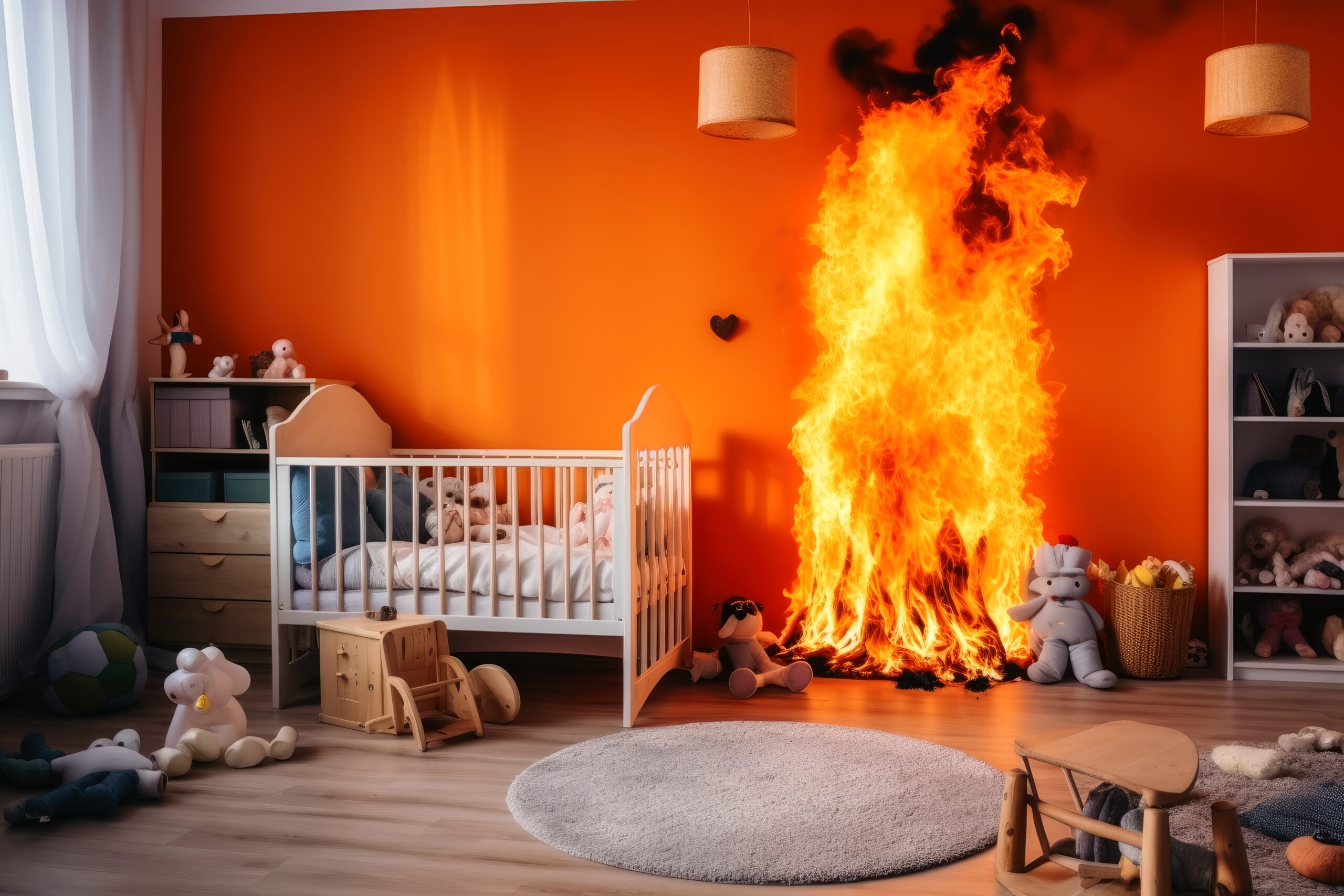
Modern households rely on rechargeable power. E-bikes and scooters in the hallway, cordless tools in the shed, laptops on the sofa, robot vacuums under the table: lithium batteries are everywhere. Yet most people rarely consider the risk. And even fewer understand just how dangerous a lithium battery fire can be to people, property, and the environment.
The Hidden Fire Risk at Home: Lithium Batteries and How to Stay Safe

Why Lithium Battery Fires Occur escalate so quickly

This article explains what every household should know: how these fires start, the warning signs to look out for, and the multi-layered protections Liiontek offers to ensure that an overnight charge doesn’t turn into a house fire.

When a cell is damaged, overcharged, or overheats, it can release hot, flammable gases. These gases heat neighboring cells, creating a chain reaction known as thermal runaway. Temperatures rise rapidly, flames can shoot out of the pack, and dense, toxic smoke can fill a room within seconds. Even after the fire appears to be extinguished, residual heat may cause it to reignite.

In short: these incidents differ from typical household fires. Their speed, toxicity, and the potential for re-ignition make them uniquely hazardous.
View battery bags

A practical, layered approach for prevention

Because risk cannot be reduced to zero, the safest plan combines prevention, containment, and first-response:

  • Set up a safe charging zone on a hard, non-flammable surface, away from escape routes.
  • Use approved chargers and avoid overloaded power strips.
  • Charge in a container using certified equipment designed for lithium batteries.
  • Make sure you have the right fire extinguisher nearby. General ABC units are not designed to handle lithium-ion incidents.
  • Educate the household on warning signs and what to do first.
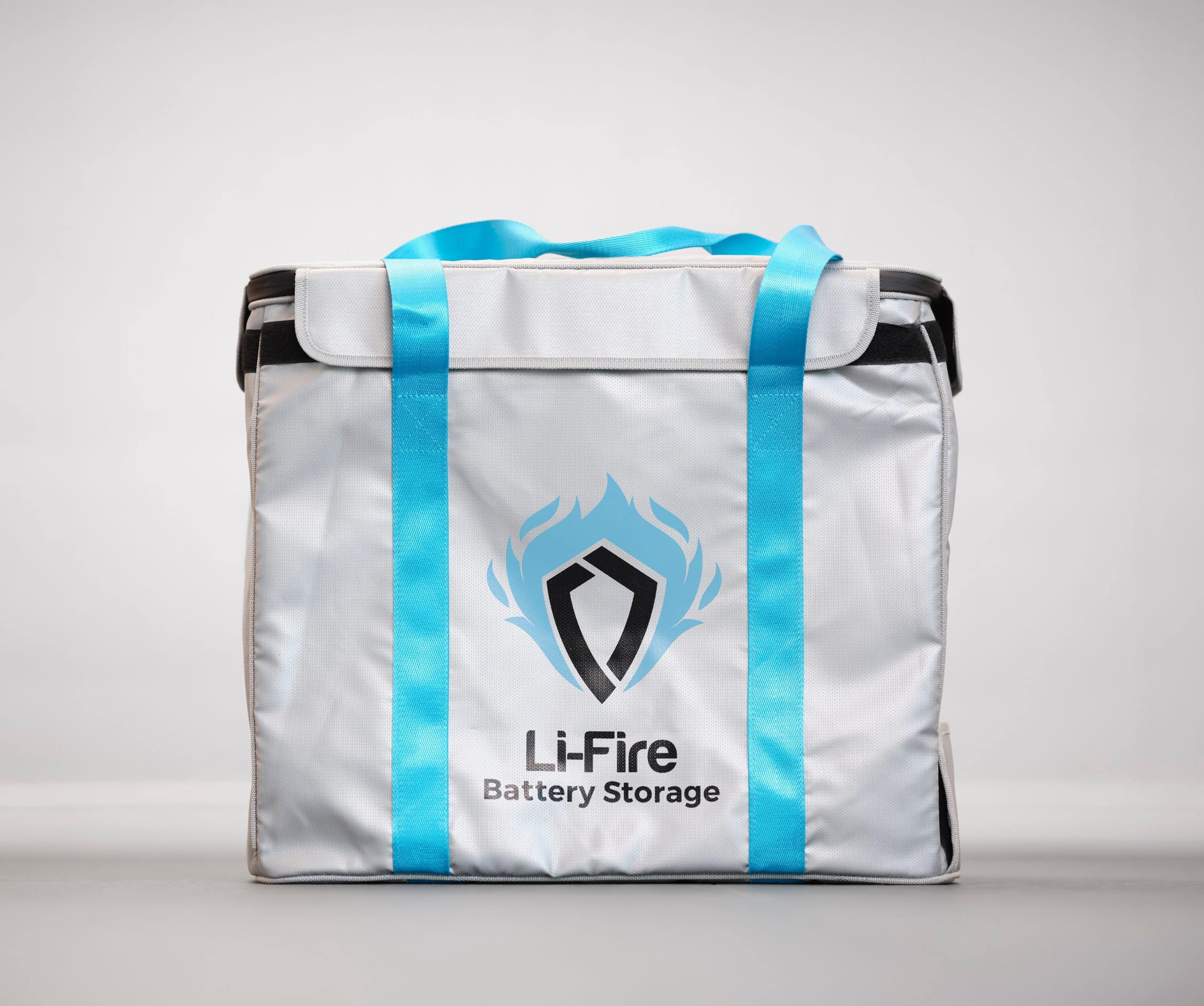
Li-Fire Lithium-ion Safety Bag, Small

A quick “battery check” at home

If you look around, you’ll probably find lithium battery packs in:

  • E-bikes, e-scooters, and hoverboards
  • Power tools and garden equipment
  • Laptops, tablets, phones, and power banks
  • Cordless vacuums and robot vacuums
  • Kids’ toys, drones, and hobby batteries

Because these are familiar items, the risk seems low. However, familiarity is not the same as safety.

Early warning signs you shouldn't ignore

  • Swelling or deformation of the battery or device
  • Hissing sounds, popping, or a chemical or solvent odor
  • Unusual heat while charging or when idle
  • Discoloration, scorch marks, or a damaged casing

If you notice any of the following: Unplug the device if it is safe to do so, move people away, ventilate the area from a distance, and follow local emergency guidelines.

Common Risk Scenarios in Households

  • Overnight Charging, especially in escape routes such as hallways or on stair landings
  • Charging near flammable materials (soft furnishings, cardboard, curtains)
  • Daisy-Chaining Extension Cords and cheap, unapproved chargers
  • Malfunction or charging of damaged batteries after a fall or impact
  • Charging in unventilated spaces (cupboards, under the stairs, cramped sheds)

These situations can be avoided by making a few deliberate choices.

E-Bike Kit: Charge Safely, Even Overnight

Liiontek specializes in lithium fire prevention and response. For households, we recommend a simple combination that provides containment and the appropriate suppression agent.

Our E-Bike Kit pairs the Li-Fire Battery E-bike Blanket or a Li-fire Battery Bag, Small with an ASAP's 6L fire extinguisher. The e-bike blanket contains heat and flames if a battery pack fails while charging, helping to prevent the fire from spreading to nearby materials. The fire extinguisher provides rapid, targeted action for early-stage incidents. Together, they turn an ordinary corner of the garage into a safer charging zone.

Home Kit: Add Personal Protective Equipment for Emergency Response

To ensure broader readiness, the Home Kit combines an ASAPs 2L with the LFIM Intervention Kit. The LFIM includes a respirator mask and heat-resistant gloves that provide up to 15 minutes of protection against harmful fumes, so that a trained adult can approach more safely to operate the fire extinguisher or move a compromised pack if procedures require it.

RACLAN Box: Monitored Charging and Localization

In utility rooms or shared garages, the Fisacon RACLAN Box adds an extra layer of protection: monitored charging with temperature-based alarms and power shut-off to help pinpoint the source of an incident. It’s a smart upgrade when multiple battery packs are charged daily.

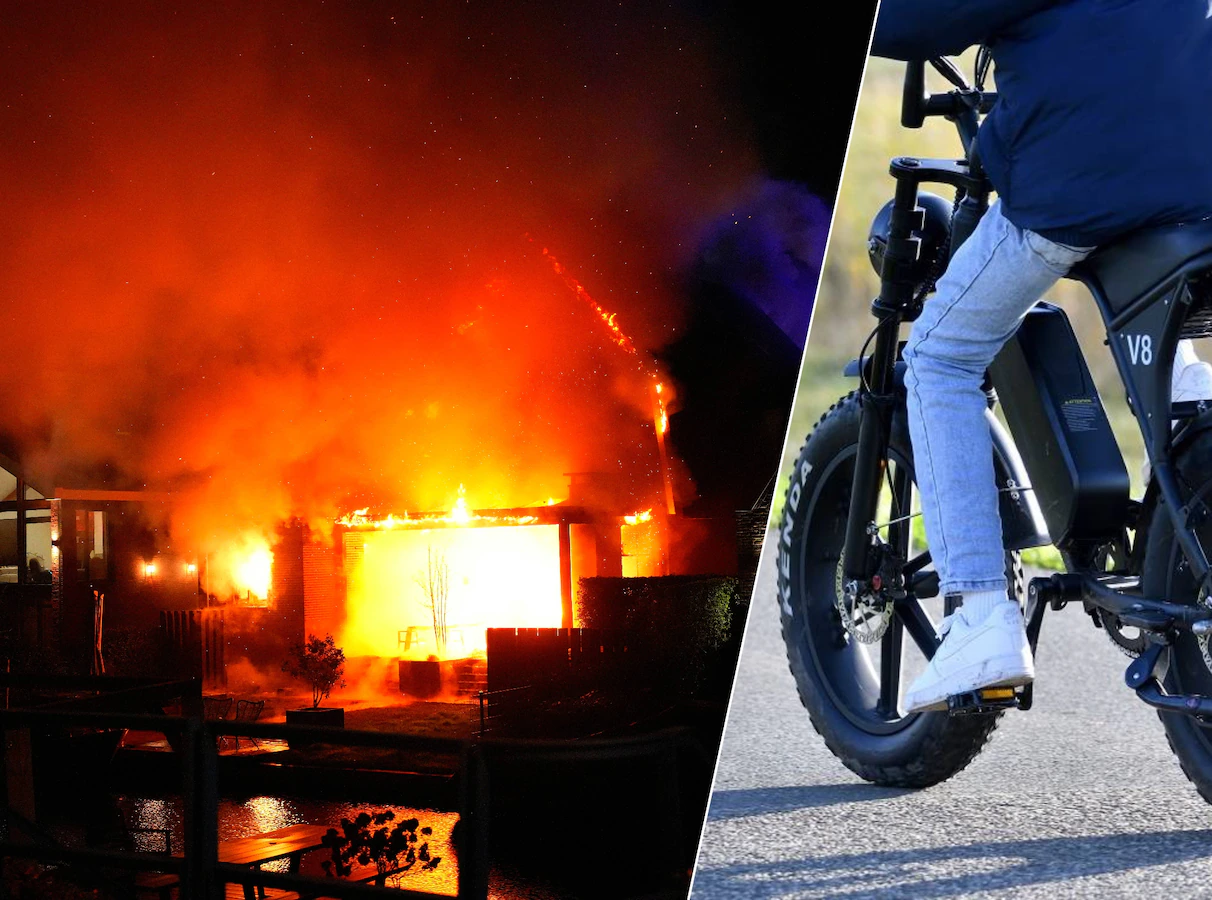
Real-world example: An e-bike battery left charging in a utility room fails at 2:30 a.m. Without containment, flames spread to the shelves and paint cans, and smoke blocks the escape route. With the E-Bike Kit, the battery pack is charged inside the Li-Fire bag or the entire bike is placed under the blanket; heat and flames remain contained, buying time to respond with the ASAPs 6L and evacuate safely.

Your Home Lithium Safety Checklist

Use this quick checklist to reduce risk today:

  • Charge on a non-flammable surface, away from exits
  • Keep devices visible while they're charging; avoid charging them overnight if possible
  • If you have to charge at night, contain the pack (battery bag/blanket or RACLAN)
  • Use only chargers and cables approved by the manufacturer
  • Never charge swollen, damaged, or wet batteries
  • Store in a cool, dry place, away from direct sunlight
  • Keep a lithium-compatible fire extinguisher (e.g., ASAPs 2L) within reach
  • If you smell chemicals, hear hissing, or see smoke: unplug the appliance if it is safe to do so, move away, ventilate the area from a distance, and call emergency services

FAQs

Is it safe to charge an e-bike overnight?
It’s safer to charge while you’re awake and nearby. If overnight charging is unavoidable, use a non-flammable surface, keep the area clear, and use a containment device such as the Li-Fire E-bike Blanket or the Li-Fire Battery Bag, Small.

Which fire extinguisher should I keep at home for these situations?
Keep a lithium-ready fire extinguisher like the ASAPs near your charging zone. Traditional ABC units are not designed for lithium-ion batteries.

Can a lithium battery reignite after it appears to have gone out?
Yes. Residual heat can cause re-ignition. Containment combined with cooling and suppression reduces that risk, and monitoring remains important.

Where should I set up a safe charging zone?
Choose a well-ventilated area on a hard, non-flammable surface, away from bedrooms and escape routes. Garages and utility rooms are common choices.

Make the invisible risk visible and manageable

Lithium batteries are part of everyday life. With basic knowledge and the right equipment, households can significantly reduce the risk. Liiontek’s E-Bike Kit and Home Kit Combine proven containment measures with appropriate suppression methods so that a single failure does not escalate into a house fire, especially at night.

Set up your safe charging zone today. Explore the E-Bike Kit, the Home Kit, and the RACLAN Box to protect your home and the people inside it.

Still have questions or need help choosing the right kit? Contact us here and our specialists will guide you. Ready to buy? Order here and secure your home charging station today.