
contact


MGN 681 (M) Amendment 1: Turning Lithium-Ion Fire Safety Guidance into Practical Action on Yachts
MGN 681 (M) Amendment 1: Turning Lithium-Ion Fire Safety Guidance into Practical Action on Yachts
The use of electrically powered craft on board yachts has increased rapidly in recent years. Electric tenders, e-foils, jet skis, dive propulsion vehicles, e-bikes and similar applications have become standard equipment on many modern yachts. While these technologies offer clear operational and environmental advantages, they also introduce a fundamentally different fire risk compared to conventional fuels.
With the publication of MGN 681 (M) Amendment 1 – Fire Safety and Storage of Small Electric Powered Craft on Yachts, the UK Maritime & Coastguard Agency (MCA) has taken an important step in further clarifying how lithium-ion fire risks should be managed on yachts.
This updated version goes beyond general recommendations and reflects a growing expectation from flag states, class societies and insurers that lithium-ion fire safety is addressed in a structured, demonstrable and practical manner.
What is MGN 681?
MGN 681 is a Marine Guidance Note issued by the MCA. While it is not statutory legislation, it describes what the Administration considers to be best practice for the storage, charging and fire protection of lithium-ion batteries used in small electric powered craft carried on yachts.
In practice, MGN 681 is increasingly used as:
- a reference during flag state inspections and audits;
- guidance for class assessments;
- a benchmark for insurers;
- a design and refit reference for newbuild and retrofit projects.
What is new in Amendment 1?
- Clear functional expectations for charging and storage solutions
Earlier versions of MGN 681 described principles rather than outcomes. Amendment 1 introduces much clearer functional expectations, particularly for charging and storage cabinets or containers.
These solutions are now expected to provide:
- charging only when the cabinet is closed;
- over-temperature detection;
- automatic interruption of the charging process;
- the ability to apply fire suppression without opening the cabinet;
- controlled venting of toxic and flammable gases (off-gassing);
- clearly defined maximum battery capacity (kWh).
This makes it clear that basic lockers or improvised solutions are no longer sufficient.
- Explicit reference to type approval and certification
A significant update in Amendment 1 is the explicit classification of lithium-ion battery storage and charging cabinets as fire extinguishing arrangements.
As a result:
- UK type approval or certification under the Merchant Shipping (Marine Equipment) Regulations 2025 is expected;
- from 1 January 2027, newly installed systems are effectively required to meet these standards;
- existing installations may remain in service, but early replacement with certified solutions is strongly recommended.
This has direct implications for both existing yachts and refit projects.
- Increased focus on monitoring, escalation and re-ignition
Amendment 1 places greater emphasis on:
- the risk of re-ignition after initial fire suppression;
- prolonged post-incident monitoring;
- the use of CCTV and thermal imaging cameras as supporting tools;
- gas detection as a developing, but not yet mandatory, technology.
This reflects the reality that lithium-ion fires behave very differently from conventional fires and require a different operational mindset.
- Firefighting: cooling remains critical
The updated guidance reinforces that lithium-ion battery fires:
- can sustain themselves;
- may require large quantities of water for cooling;
- can generate extreme heat and toxic gases.
MGN 681 (Amendment 1) therefore continues to prioritise:
- fixed water-based fire-fighting systems, with water mist identified as particularly effective;
- sufficient hydrant coverage for prolonged cooling operations;
- appropriate portable equipment to support first response by the crew.
- Training and procedures are no longer optional
Perhaps most importantly, Amendment 1 makes it clear that lithium-ion fire safety is not only about equipment. It also requires:
- trained crew who understand lithium-ion failure mechanisms;
- documented procedures integrated into the Safety Management System (SMS);
- drills and preparedness for both initial response and post-incident management.
Demonstrable competence is becoming as important as technical compliance.
Supporting practical lithium-ion fire response on board
To support crews during the critical early stages of a lithium-ion incident, we offer a dedicated lithium-ion fire support solution, designed as a practical complement to fixed fire-fighting systems.
This solution includes:
- 2 × 6-litre ASAP fire extinguishers, specifically designed for lithium-ion battery fires, providing effective cooling and mitigation of re-ignition;
- 1 × Li-Fire fire blanket (5 × 5 metres), intended to isolate battery-powered craft or battery packs, limit flame spread and reduce heat radiation;
- 1 × LFIM (Lithium Fire Intervention & Mitigation) Intervention Kit, enabling controlled and safer first intervention by the crew.
These tools align with the emphasis in MGN 681 (Amendment 1) on early intervention, escalation control and crew protection.
It is important to note that such equipment is not a replacement for fixed fire-fighting systems, but a critical operational addition, particularly during the initial response phase.
From guidance to practice: how we support operators
In practice, many yacht owners, captains and operators are facing the same questions:
- Does our existing garage or charging space still meet current expectations?
- Is our charging or storage solution suitable under the latest MGN 681 guidance?
- How do we demonstrate compliance to flag state, class or insurers?
The updated MGN makes it clear that lithium-ion fire safety is about the combined effect of design, equipment, procedures and training.
We therefore support yachts and projects with a practical, integrated approach, which may include:
- a compliance check against MGN 681 (M) Amendment 1;
- advice on appropriate charging and storage solutions, tailored to the vessel and its operational profile;
- support with risk assessments and technical documentation;
- input for SMS procedures and crew training, specifically focused on lithium-ion risks.
Owners, operators and project teams are welcome to contact us for technical advice and a dedicated lithium-ion fire risk assessment, tailored to their specific vessel and operational profile.
The objective is not merely to comply with the wording of the guidance, but to establish
a demonstrably safe, defensible and operationally effective lithium-ion safety strategy on board.
Ontdek meer nieuws
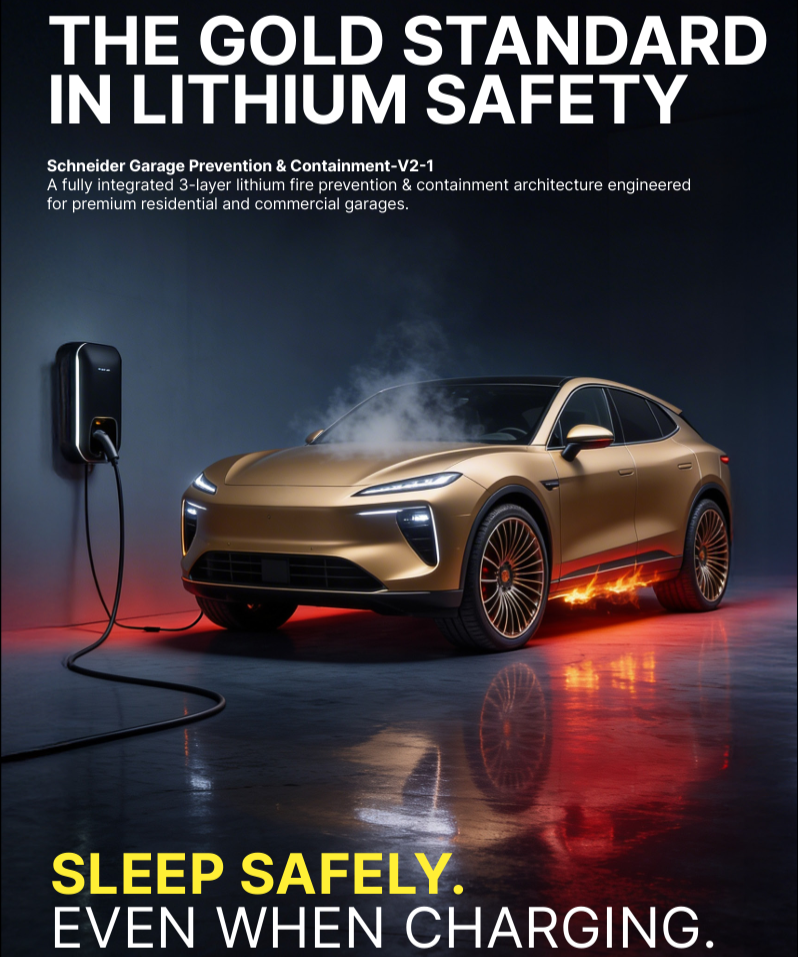
Li-Ion powered vehicles in garages, high-end residential, datacenters and logistics.
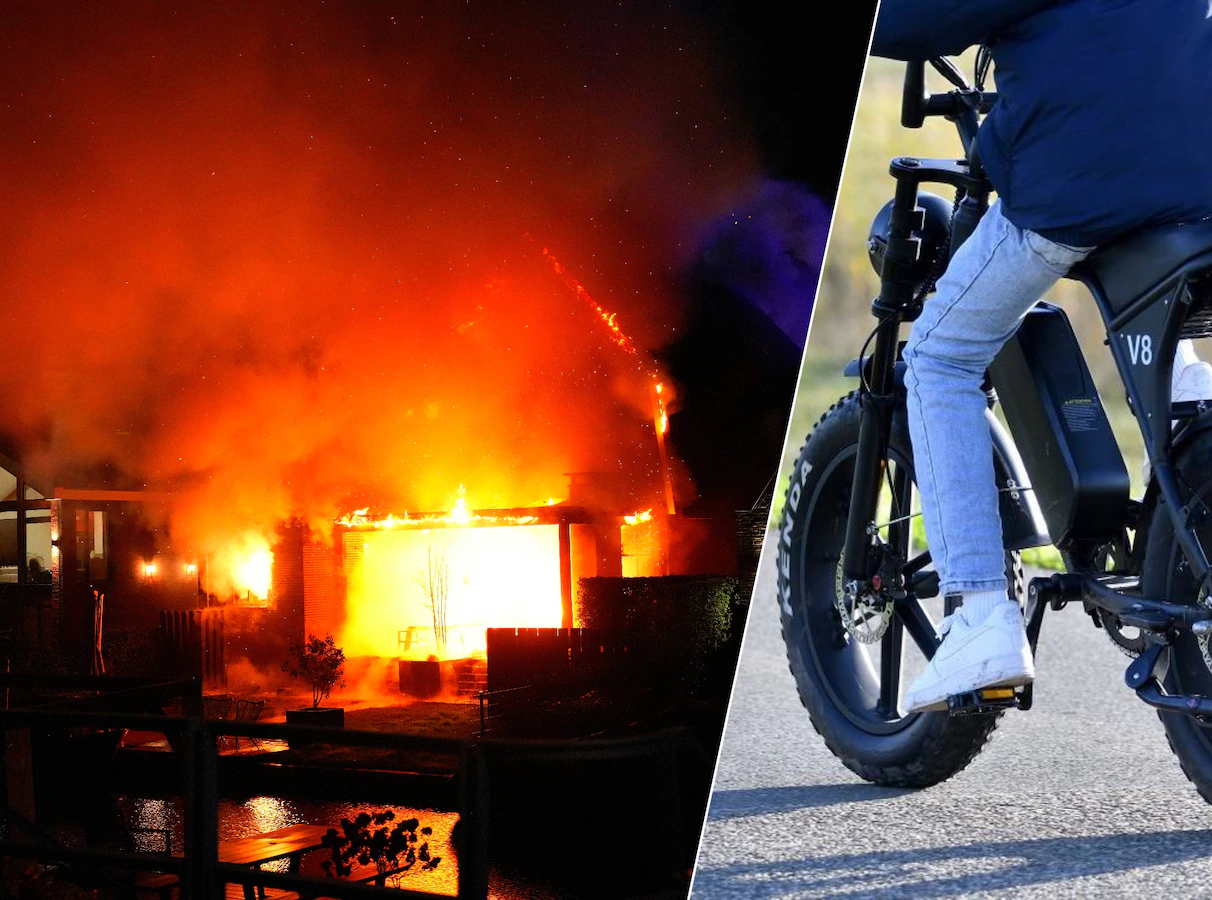
Steeds meer woningbranden door e-bike en fatbike accu’s, hoe laad je écht accuraat?
 English (UK)
  Nederlands