January 13, 2025

Lithium battery fires: a growing concern for insurers

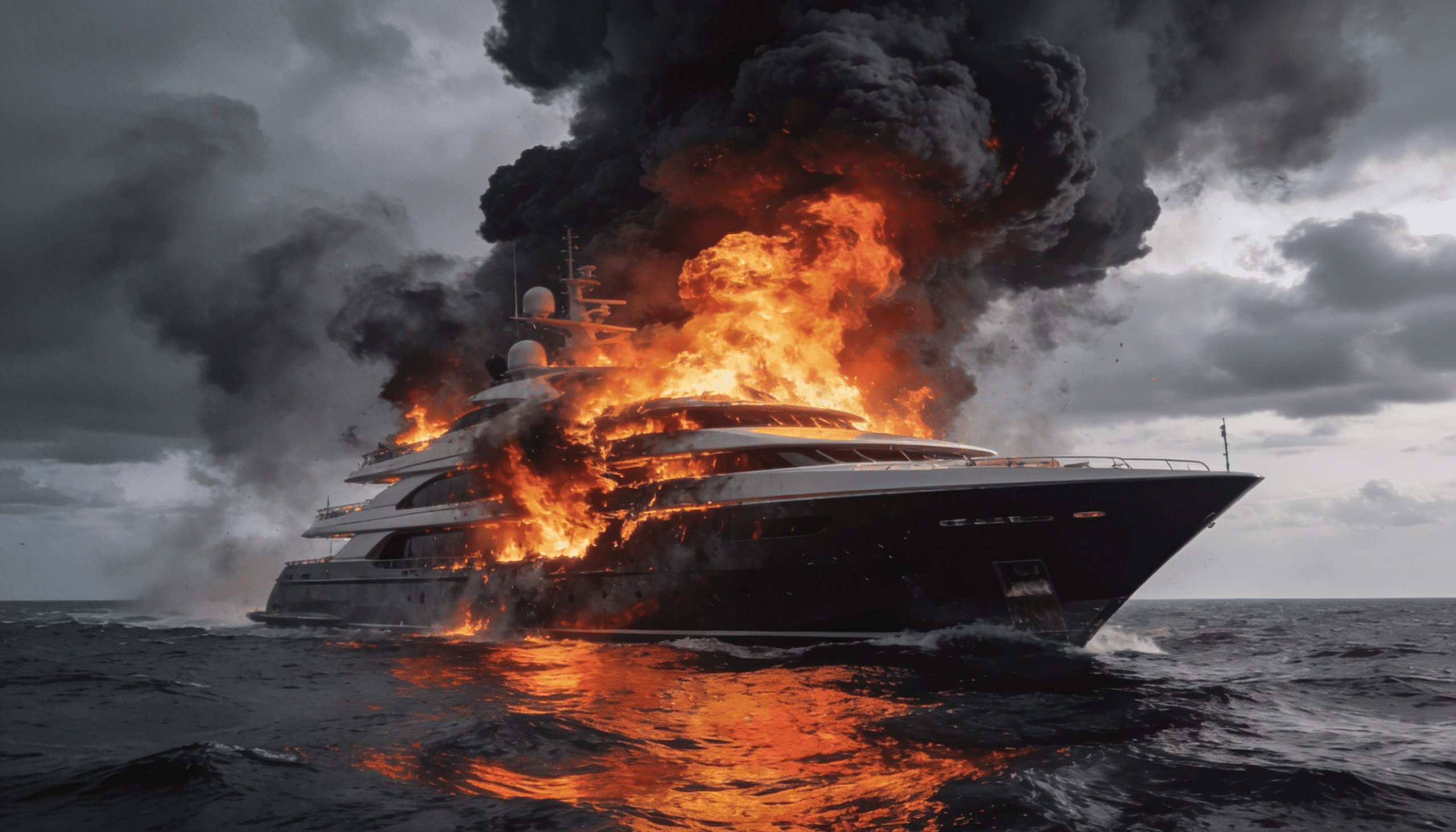
The world of superyachts continues to evolve, with cutting-edge innovations redefining luxury and functionality. Among these advancements, lithium-ion batteries have emerged as a game-changer, powering water toys, e-bikes, and various onboard systems with remarkable efficiency. However, this technological leap also introduces a serious, often underestimated threat: lithium-ion battery fires.
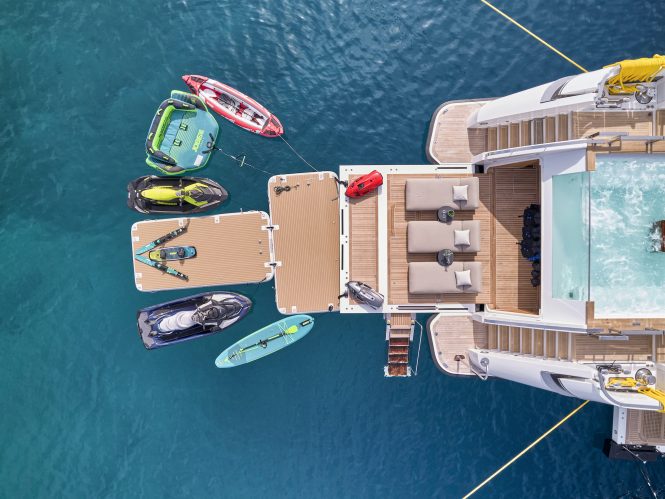
Water toys on a superyacht pose a lithium fire risk

The increasing risk of Lithium Battery Fires in Yachting

The yachting industry has seen a concerning rise in incidents involving lithium-ion batteries. These fires not only cause extensive property damage but also pose serious safety risks to passengers and crew. Unlike conventional fires, lithium-ion battery fires are difficult to control and can escalate rapidly, leading to catastrophic consequences.

This growing hazard has caught the attention of marine insurers, prompting them to reassess their risk management strategies and tighten coverage requirements. Yacht owners who fail to implement adequate safety measures may find themselves facing policy exclusions or significantly higher premiums.

Furthermore, industry reports indicate that lithium-ion battery fires often start without warning, triggered by manufacturing defects, overcharging, or damage to the battery cells. Given that these batteries are widely used in everything from jet skis to high-end tenders, the risk is ever-present.
View storage solutions

Proactive safety measures: a call to action

To navigate this evolving insurance landscape, yacht owners, captains, and crew members must take proactive steps to improve lithium battery safety. Investing in specialized lithium-ion battery storage and charging systems It is no longer optional; it is essential.

Four best practices for mitigating lithium-ion fire risks include:

  • Using fire-resistant storage containers to safely store lithium-ion batteries. See the solutions here.
  • Implementing Temperature and Charge Monitoring Systems to detect early warning signs of failure.
  • Establishing emergency response protocols to respond effectively to fire incidents.
  • Training crew members on the risks and proper handling of lithium-ion batteries.

At Liiontek, we provide cutting-edge safety solutions designed to meet and exceed insurance and industry safety standards. Our fire-resistant storage and charging units comply with JHC and insurer recommendations, helping yacht owners minimize fire risks while ensuring compliance with evolving regulations.

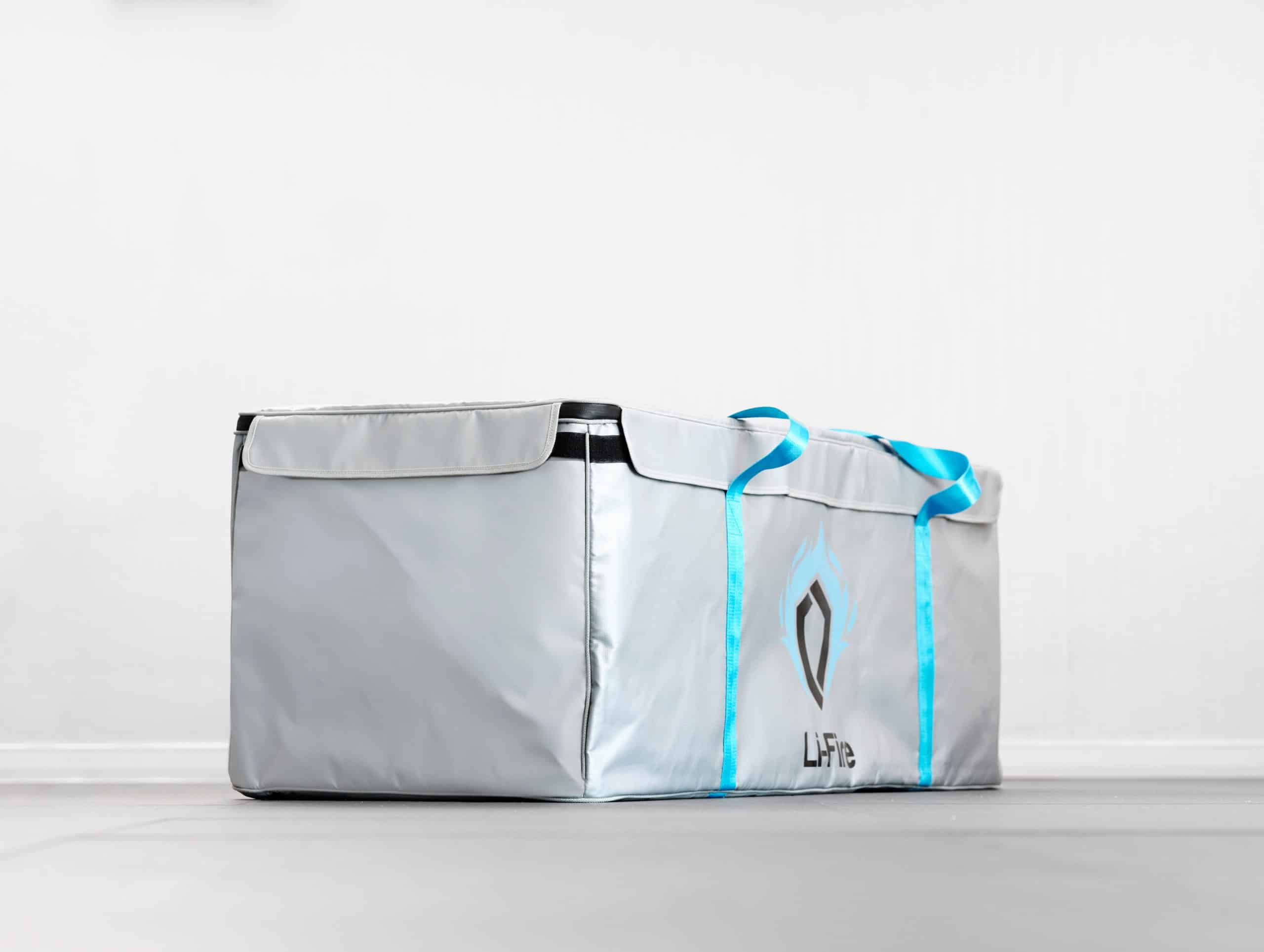
Li-Fire Lithium-Ion Safety Bag, Large

How the Insurance Industry Is Responding

Recognizing the escalating risks, leading insurers have introduced stricter guidelines and policy adjustments to address lithium-ion battery safety. One significant development occurred in October 2023, when the Joint Hull Committee (JHC), a leading authority in maritime insurance, introduced a new clause outlining essential protocols for the safe use, storage, and charging of lithium-powered equipment aboard yachts. Compliance with these standards is now crucial for securing comprehensive coverage and mitigating fire risks.

Additionally, Pantaenius Yacht Insurance, a well-established name in the industry, has emphasized the importance of proper lithium battery handling. While not mandating specific policy changes, Pantaenius strongly advocates for strict safety practices, reinforcing the industry’s shift toward proactive risk prevention.

Another leading insurer, Allianz Global Corporate & Specialty, has conducted in-depth research into the causes of lithium-ion fires and recommends a multi-layered approach, including thermal monitoring systems, fireproof storage, and advanced suppression technologies.

Changing Insurance Policies and Coverage Challenges

A concerning trend among marine insurers is their growing reluctance to provide coverage for yachts equipped with lithium-ion batteries, particularly when insufficient safety measures are in place. The primary reasons include:

  • Thermal runaway risks: Once ignited, lithium-ion battery fires are notoriously difficult to extinguish.
  • Escalating potential for damage: Fires can spread rapidly, endangering the vessel, passengers, and crew.
  • Unclear regulatory framework: Inconsistent industry standards complicate risk assessment for insurers.

Some insurers have responded by excluding lithium-ion-related incidents from coverage or imposing higher premiums on yacht owners who fail to comply with safety guidelines. These policy changes underscore the urgent need for robust fire prevention strategies on board.

The Future of Lithium Battery Safety in Yachting

While lithium-ion technology offers undeniable advantages, it also requires a responsible approach to risk management. By adopting best practices, implementing proper safety infrastructure, and staying informed about updates to insurance policies, yacht owners can safeguard their vessels, protect their guests, and ensure uninterrupted adventures at sea.

As lithium battery technology continues to evolve, innovations in fire suppression and containment are expected to become key factors in future insurance policies. Advanced fire suppression systems, such as aerosol-based solutions and water-mist technologies, are being explored as viable methods for controlling lithium fires.

The message is clear: Lithium battery safety is not a luxury—it’s a necessity. With the right tools and expert partners like Liiontek, a safer and more secure future for yachting is within reach. Read more from other sources here.